Before You Sign an NIL Deal: Financial Literacy and Trusted Support for Athletes and Parents
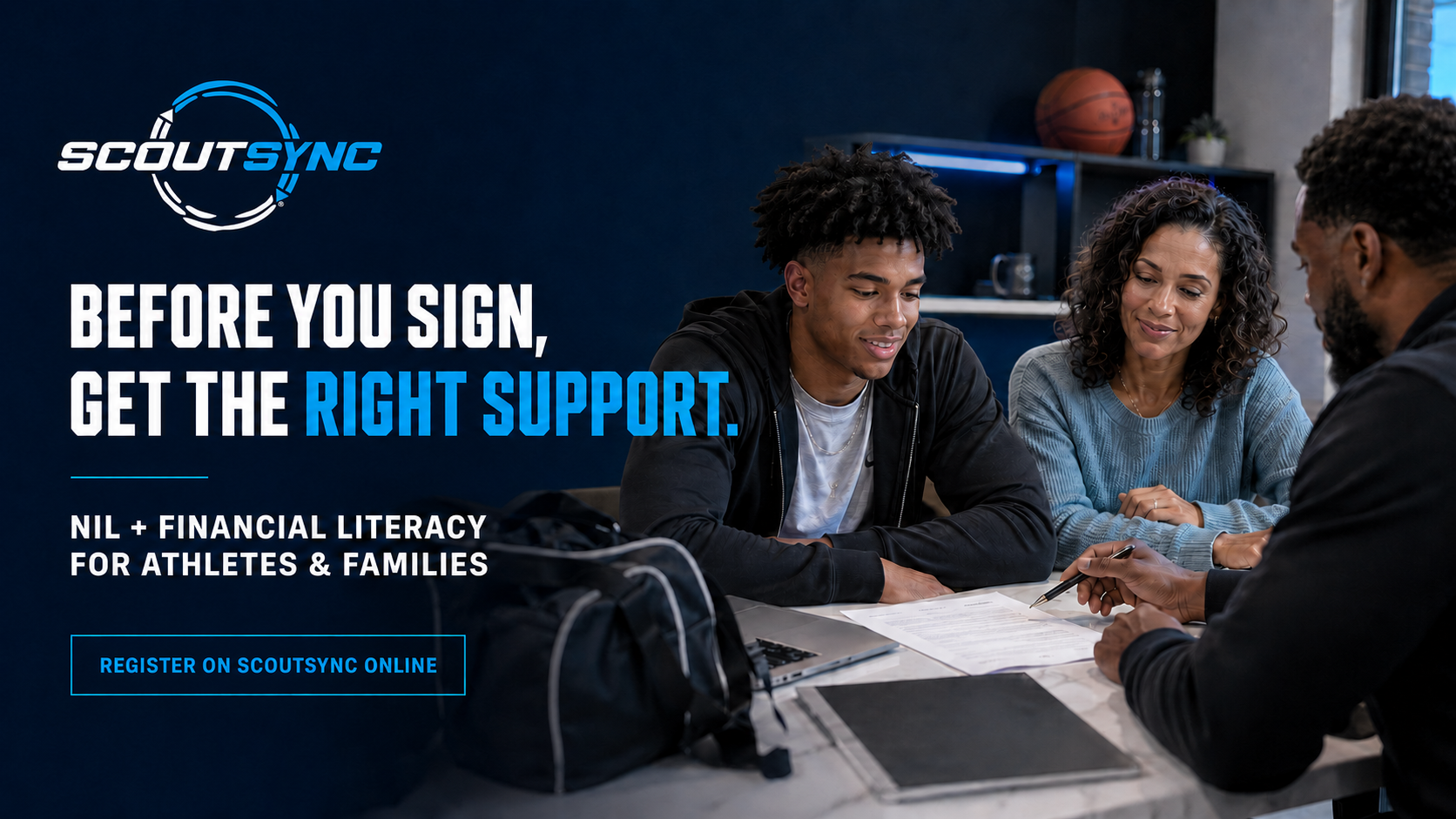
Before You Sign an NIL Deal: Financial Literacy and Trusted Support for Athletes and Parents

Opportunity Should Begin With Education
NIL: meaning name, image, and likeness: has created new ways for athletes to earn from their personal identity and athletic platform.
Opportunities may include:
Social media promotions
Appearances
Endorsements
Camps and clinics
Merchandise
Content creation
Other legitimate business activities
Receiving an offer and making a good decision are not always the same thing.
Before you sign an agreement, accept payment, or allow someone to represent you, make sure you understand exactly what you are agreeing to. Ask more than, “How much can I earn?”
You also need to understand the contract, your responsibilities, the people involved, the financial impact, and how the agreement could affect your future.
Questions to ask before signing
Use this checklist with your parent, guardian, school, compliance office, and qualified advisors:
What must the athlete deliver?
How and when will the athlete be paid?
How long does the agreement last?
Who owns the content created?
Is the agreement exclusive?
Can the company continue using the athlete’s image after the agreement ends?
Are there cancellation, repayment, or penalty terms?
What taxes or reporting requirements may apply?
Are there school, league, state, or governing-body rules to review?
A short-term payment should never prevent you from understanding the long-term impact of an agreement.
✓ Best practice: Take time to review the entire agreement.
✗ Common mistake: Signing because someone says the opportunity expires today.
Financial Literacy Is Part of Athlete Development
Learning how to earn is only one part of NIL. You also need to learn how to manage what you earn.
Financial literacy means understanding how money comes in, where it goes, what must be saved, and which obligations come with it. These skills matter across every sport, competition level, gender category, and location.
Important areas include:
Income, expenses, and recordkeeping
Taxes and payment documentation
Saving and responsible spending
Business accounts and budgeting
Representation fees and commissions
The difference between revenue and profit
Revenue is the total amount received. Profit is what remains after allowable business expenses. Those numbers are not always the same.
NIL income is generally taxable, and athletes should maintain accurate records of earnings and related expenses. Requirements can differ depending on the athlete’s age, location, school, competition level, and individual circumstances.
Keep copies of:
Signed agreements
Payment records
Invoices and receipts
Relevant messages and emails
Non-cash benefits
Business expenses connected to NIL work
The IRS NIL guidance explains that NIL income may involve tax and recordkeeping responsibilities. When in doubt, consult a qualified tax professional.
What this means for you
Do not treat NIL money as “free money.” Treat it as income that requires planning, documentation, and responsible decisions.
Parents Should Not Have to Navigate NIL Alone
Parents are often asked to help evaluate agreements, service providers, agents, marketing representatives, and financial decisions: sometimes with very little time or reliable information.
This is especially important when the athlete is a minor.
Families should feel comfortable slowing the process down, asking questions, verifying the people involved, and seeking qualified guidance before anything is signed.
Pressure to “sign today” should never replace proper review.
A parent-and-athlete review process
Before moving forward:
Read the complete agreement together.
Identify every required deliverable.
Confirm how and when payment will be made.
Check for exclusivity, cancellation, repayment, and image-use terms.
Review applicable school, league, state, and governing-body requirements.
Verify the identity and experience of the company or representative.
Seek qualified legal, tax, or financial guidance where appropriate.
Save the final agreement and all related records.
✓ Best practice: Make important decisions as a team.
✗ Common mistake: Relying only on a social media DM or verbal promise.
ScoutSync Is Building a More Trusted Support System
ScoutSync provides education, technology, introductions, and access to third-party resources that may help athletes and families better understand their options.
Coach Leo, ScoutSync’s 24/7 assistant, can help athletes and families stay organized, prepare questions, and navigate ScoutSync’s platform resources as they evaluate next steps.
ScoutSync has established relationships with trusted parties who may be able to help registered athletes and families connect with appropriate support. Depending on the athlete’s needs, this may include access or referrals related to:
NIL education and opportunity preparation
Financial literacy and money management
Contract and legal-support resources
Tax and accounting considerations
Branding, marketing, and content
Athlete representation and trusted guidance
Access, availability, and suitability are not guaranteed. Resources may depend on the athlete’s circumstances and the availability of applicable third-party support.
ScoutSync does not guarantee NIL deals, income, scholarships, or representation. Our role is to help athletes become better prepared, more visible, and connected to the right support when opportunities arise.
Build Your Athlete Record Before Seeking Deals
Brands and potential partners need more than a highlight clip. They need to understand who you are, what you represent, and whether the opportunity is a strong fit.
A complete ScoutSync Online profile can help athletes organize their:
Athletic background and accomplishments
Statistics, video, and performance history
Personal story and future goals
Social presence and brand interests
NIL and representation information
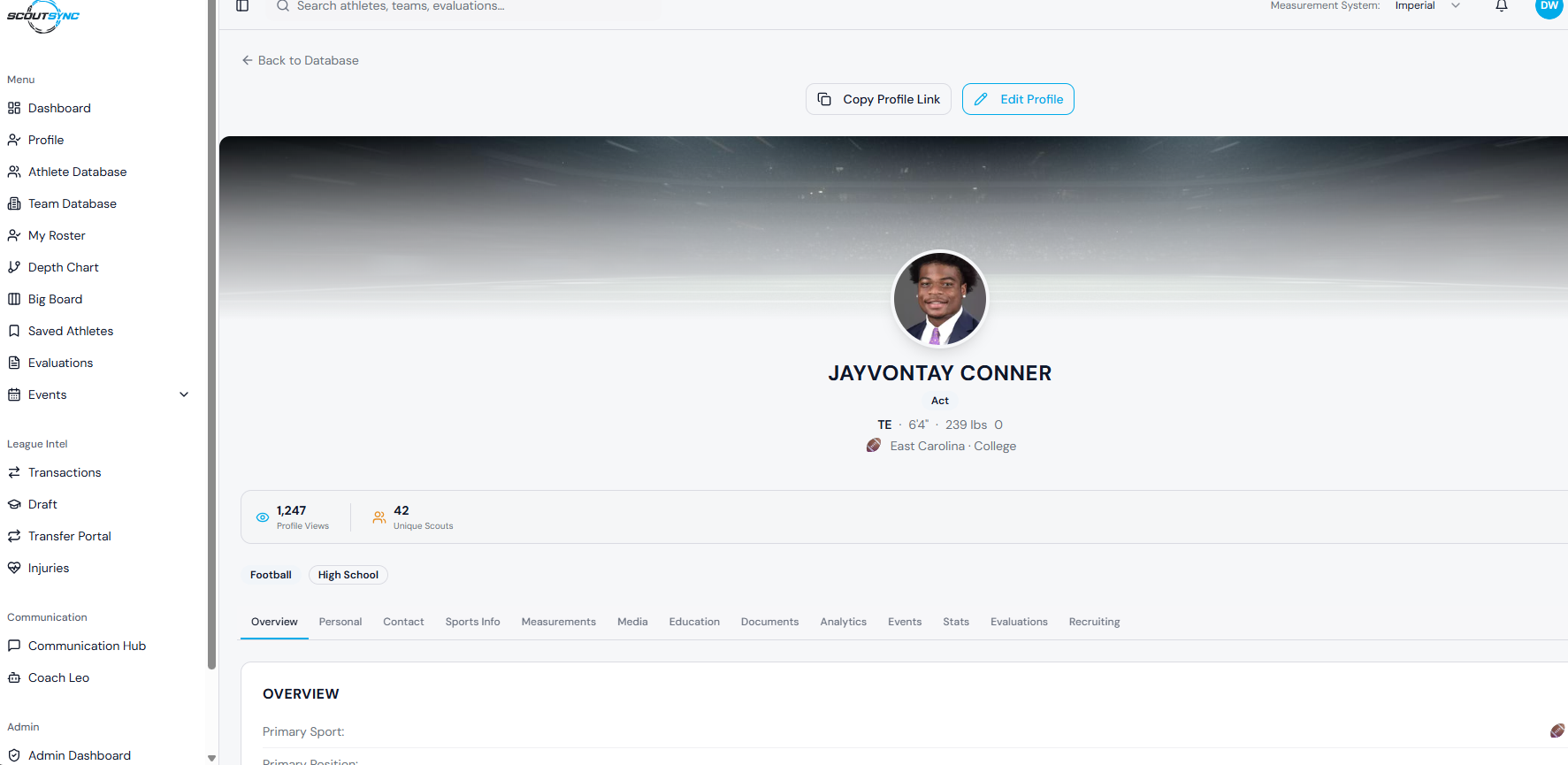
A structured digital profile makes it easier to keep information current and share a consistent version of your athletic journey.
Athletes across all sports, levels, genders, and locations can begin building a more complete record. Talent should not be limited by geography, connections, or scattered information.
Registered ScoutSync Online Users May Receive Access
Athletes must be registered on ScoutSync Online to be considered for applicable ScoutSync NIL and financial-literacy offers, partner support, and related opportunities.
Registration allows the ScoutSync team to better understand the athlete, review their readiness, and identify resources that may fit their individual needs. Registration does not guarantee access, an offer, income, representation, or any specific outcome.

Your next steps
Make sure your statistics, video, accomplishments, and contact information are current.
Share what type of NIL, financial-literacy, or professional support you need.
Let the team help identify an appropriate next step before you sign.
Use Rules and Records as a Competitive Advantage
NIL compliance means following the rules that apply to your situation. In plain language, that may include reviewing school policies, applicable laws, league requirements, and governing-body guidance before participating in an opportunity.
The NCAA’s NIL guidance recommends that student-athletes review campus policies and applicable state law, consult their compliance office or Faculty Athletics Representative, and maintain appropriate records.
Rules can vary. International athletes, athletes competing outside the United States, and athletes in different gender categories or competition levels may face different requirements. Your school, league, federation, or qualified professional can help clarify which rules apply to you.
Do not panic when a compliance question appears. It may be a request for more information: not a sign that an opportunity is gone.
Quick compliance checklist
✓ Review the applicable school and competition rules.
✓ Ask whether the opportunity must be disclosed.
✓ Keep the agreement and payment records.
✓ Confirm who is responsible for required reporting.
✓ Ask qualified professionals about legal and tax questions.
Before You Sign, Understand. Before You Earn, Prepare.
NIL should be about more than accepting the first opportunity.
It should help athletes learn, build, earn responsibly, and protect the future they are working toward. Financial literacy, careful contract review, reliable records, and trusted support can help you make decisions with greater confidence.
Build your record before you need it. Ask questions before you commit. Take the time to understand the opportunity.
Sources / Further Guidance
Taxpayer Advocate Service: Name, Image, and Likeness (NIL) guidance
Taxpayer Advocate Service: Student-athletes involved in NIL agreements and tax obligations
The NCAA recommends reviewing school policies and applicable laws, consulting compliance personnel, and maintaining complete NIL records. The IRS confirms that NIL income is generally taxable.
Educational Disclaimer
ScoutSync provides education, technology, introductions, and access to third-party resources. ScoutSync does not guarantee NIL deals, income, scholarships, or representation.
ScoutSync does not provide legal, tax, investment, or individualized financial advice unless expressly delivered by an appropriately qualified professional. Athletes and families should consult their school, compliance office, and qualified legal, tax, or financial professionals before entering an agreement.
Rules and eligibility requirements may vary by jurisdiction, school, governing body, and competition level.