From Division II to Ole Miss: Why "Smaller School" Doesn't Mean "Smaller Dream"
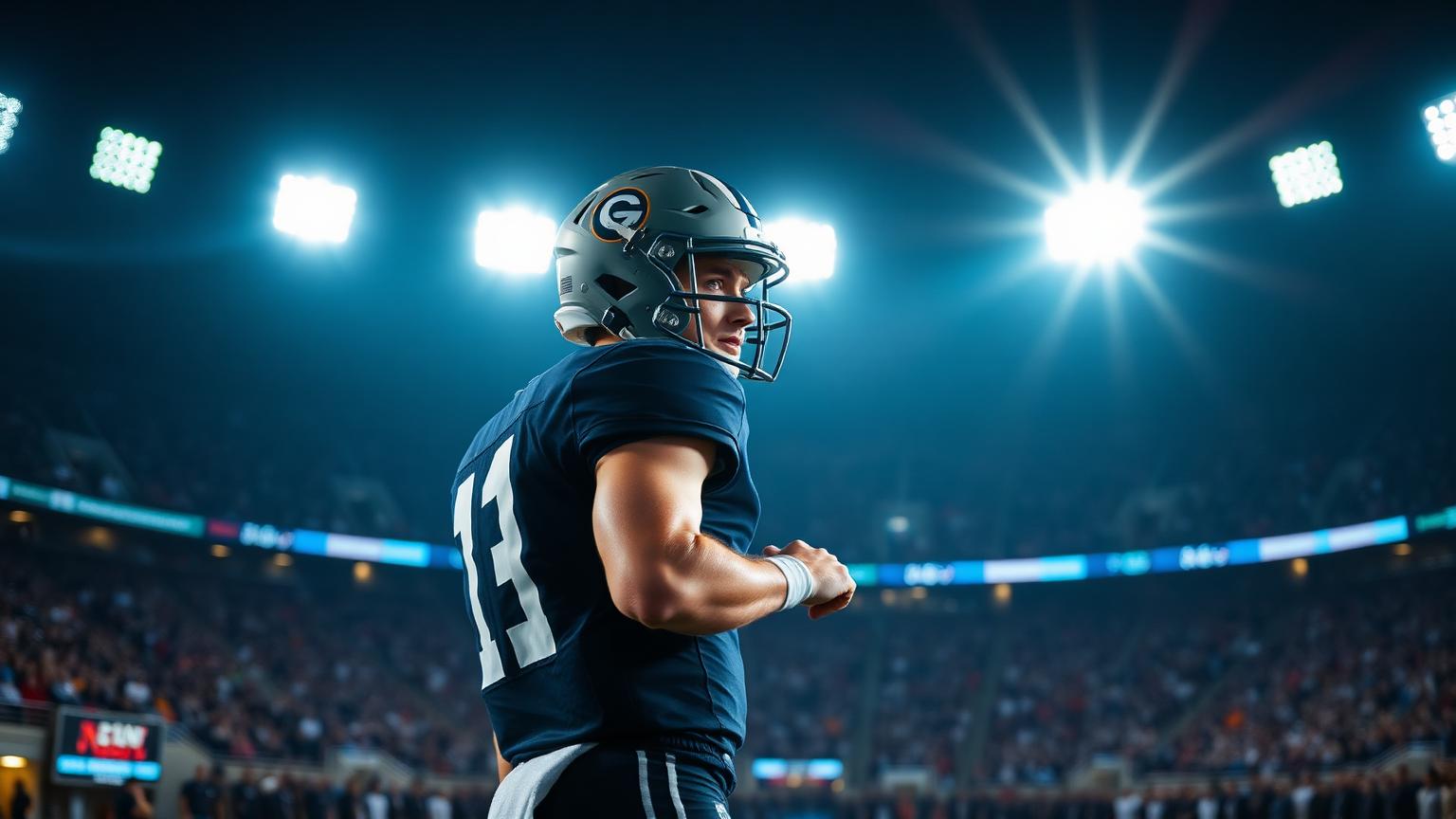
From Division II to Ole Miss: Why "Smaller School" Doesn't Mean "Smaller Dream"
Every January, the transfer portal re-opens and the noise gets loud: "You have to be D1 out of high school." "If you go D2, you'll never get seen." "If you don't blow up early, it's over."
Trinidad Chambliss' path is a direct rebuttal to that mindset.
Chambliss is Ole Miss' quarterback — listed at 6-0, 200 — and he arrived in Oxford as a transfer from Division II Ferris State. Over time, he developed into a player ready for a bigger stage, and that development translated when opportunity met preparation at the SEC level.
This isn't just a "cool story." It's a blueprint for athletes (and parents) trying to make smart decisions in a crowded recruiting landscape.
Trinidad Chambliss' route wasn't a shortcut; it was a build
At Ferris State, Chambliss didn't treat D2 like a consolation prize. He treated it like a platform.
Ole Miss' own roster bio notes he played four years at Ferris State, helped lead the Bulldogs to a Division II national title in 2024, produced over 3,000 total yards and 51 total touchdowns that season, earned All-American recognition, and was GLIAC Player of the Year.
That level of production and progression creates something evaluators trust: a consistent track record.
The lesson for recruits: Your division doesn't define your ceiling, your development does
Here's the uncomfortable truth: most athletes won't start at the "perfect" spot. Rosters are crowded. Timelines are unpredictable. Coaching staff change. Systems change. Injuries happen.
The more useful question than "What level is this school?" is:
"Will this environment help me become undeniable?"
If you're at a D2, D3, NAIA, JUCO, or smaller FCS program and you are:
- starting,
- improving,
- producing,
- staying healthy,
- building film,
- and stacking measurable development…
…you are doing the exact things D1 programs look for when they need immediate, proven contributors.
Chambliss' journey is evidence that dominance and consistency travel.
What "getting seen" actually looks like
1) Be elite at what translates
Recruiting isn't just "highlights." It's a projection. For QBs, that means:
- decision-making speed
- accuracy and ball placement
- pocket management
- processing coverages
- leadership and command
Translation beats flash.
2) Produce consistently, not occasionally
A single viral clip might get attention. A season (or multiple seasons) of production earns belief.
3) Build a professional portfolio
At minimum:
- 2–3 game tapes (full games, not just cut-ups)
- a clean highlight reel (2–4 minutes)
- verified measurables
- academic/eligibility clarity
- references (HC/OC/QB coach)
4) Choose fit over hype
Smaller programs can be the best place to:
- Get reps early
- develop with consistent coaching
- learn a system you can master
- build leadership capital
Then, when the portal opens, you're not "hoping." You're ready.
Message to athletes and parents: Don't fear the "smaller" route
If you can play, you can play.
The path may not be linear, but it can be powerful:
- A smaller school can be the place where you get reps.
- Reps become production.
- Production becomes proof.
- Proof gets you opportunities.
Trinidad Chambliss went from Division II Ferris State to running Ole Miss' offense on college football's biggest stages.
That's not luck. That's the development meeting timing.